An ethical Auschwitz visit comes down to three things: book your timed entry through the official museum system, arrive having done real preparation, and conduct yourself with restraint rather than performance. Entry to the Memorial is free, but you cannot walk in without a confirmed reservation, and if you’re travelling from Kraków in peak season, you’ll likely need a licensed guide for morning slots. None of this is complicated, but skipping any of it turns a serious act of remembrance into something closer to a photo stop.
Before you book anything, get these three points straight:
- Reserve your timed-entry slot at visit.auschwitz.org — entry is free but never guaranteed without a booking.
- Read something substantial beforehand and arrive with a genuine reason for going, not just an itinerary gap to fill.
- If you’re visiting between April and October and want a morning slot, book a licensed guided tour weeks in advance.
Key Takeaways
An ethical Auschwitz visit requires mandatory timed-entry booking, genuine pre-visit preparation, and conduct that treats the site as a place of testimony rather than tourism.
| Point | Details |
|---|---|
| Book official entry | Reserve your free timed-entry slot at visit.auschwitz.org well before travelling. |
| Prepare with intent | Read a testimony like Primo Levi’s and set two or three focused questions before you go. |
| Know the guide rule | Licensed guides are required for 08:00 to 14:00 slots, April to October. |
| Behave with restraint | Follow dress code, avoid posed photos, and stay quiet and reflective throughout. |
| Choose small-group guidance | ComFort Tours Cracow offers licensed guides, small groups, and private transport built around ethical visiting standards. |
Table of Contents
- Why preparation matters more than most visitors realise
- How do I book an ethical Auschwitz visit from Kraków?
- What are the rules for respectful conduct on site?
- Should you join a guided tour or visit independently?
- Reflecting and continuing to learn after you return
- Book a small-group, licensed Auschwitz visit with ComFort Tours Cracow
- Sources
- FAQ
Why preparation matters more than most visitors realise
Turning up at Auschwitz-Birkenau with no context is a bit like walking into the second half of a film. You’ll see the buildings, the barbed wire, the piles of shoes behind glass, but you won’t understand what you’re looking at, and that gap gets filled with something closer to shock tourism than remembrance. TOLI, the organisation that trains educators on Holocaust pedagogy, recommends treating a visit as one stage in a weeks-long educational process rather than a single afternoon.
Practically, that means doing some reading before you fly. Primo Levi’s If This Is a Man remains the most widely recommended starting point, and the museum’s own newsletter points visitors toward further first-hand accounts and historical background well before travel dates. You don’t need to read a shelf of books. One testimony, properly absorbed, does more than a dozen skimmed articles.
It helps to set yourself two or three specific questions to carry through the visit, rather than wandering with vague dread. Consider:
- Whose individual story do you want to understand, rather than treating victims as a faceless statistic?
- How did the mechanisms of dehumanisation actually work, step by step, bureaucratically?
- What connects this history to human-rights abuses happening now?
If you’re bringing children, teenagers, or a school group, age-appropriate preparation matters even more. Talk through what they’ll see beforehand, and be honest that some rooms (hair, shoes, suitcases) are difficult by design.
Pro Tip: Ask everyone in your group to write down one question before travelling and one reflection afterwards. The contrast between the two is often more revealing than anything said on the day.
How do I book an ethical Auschwitz visit from Kraków?
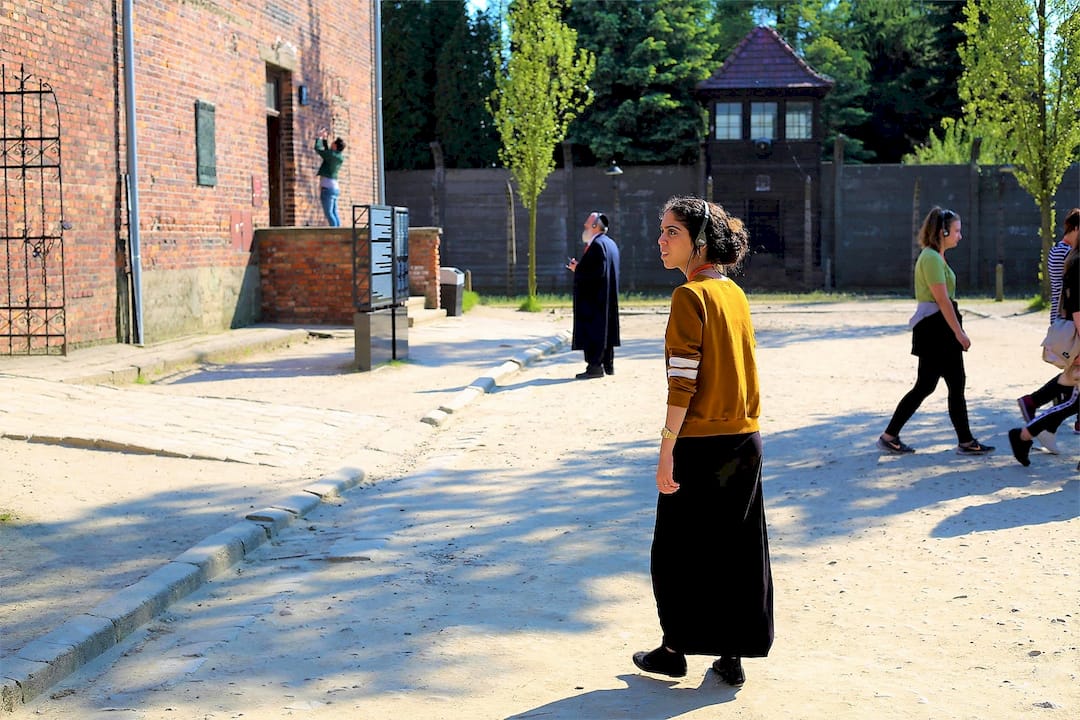
Booking is where good intentions most often go wrong. Entry to the Memorial is free, but a timed-entry reservation is mandatory for every visitor, managed through the museum’s own system to control flow across roughly 2 million visitors a year. Buying from a street vendor or an unverified reseller in Kraków risks turning up to find your slot doesn’t exist.
Between April and October, anyone visiting between 08:00 and 14:00 must join a licensed guided tour; independent visits become possible from mid-afternoon onward, and winter months offer far more flexibility for browsing at your own pace. Summer guided slots fill up fast, so book four to eight weeks ahead if you want a specific morning date.
For the logistics themselves:
- Auschwitz-Birkenau sits around 70 kilometres from Kraków, roughly 90 minutes each way by road.
- Plan for several hours on site, varying by the extent of visits to Auschwitz I and Birkenau.
- Arrive at least 20 minutes before your slot; security screening takes time.
- Large bags aren’t permitted inside, but cloakroom storage is available near the entrance.
If you’d rather not manage the reservation system yourself while juggling flights and hotel bookings, a visiting Auschwitz tour from Kraków that handles the timed-entry booking as part of the package, which removes one obvious point of failure from the day.
What are the rules for respectful conduct on site?
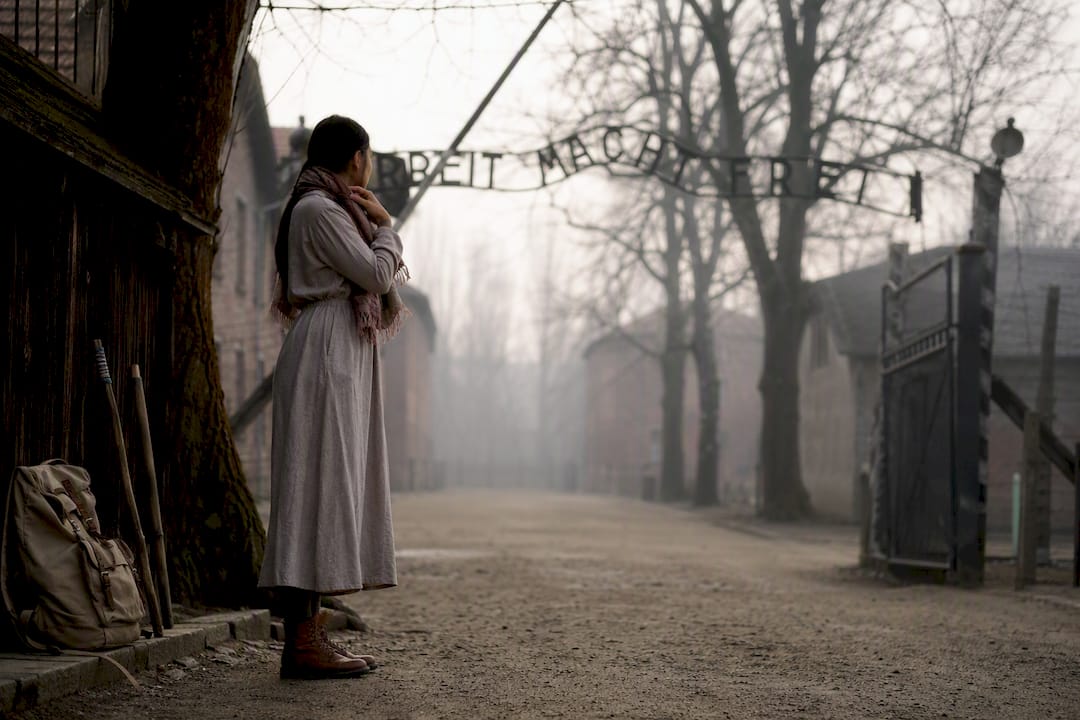
The Memorial isn’t a heritage attraction in the usual sense, and its dress code and behavioural rules reflect that directly. Cover shoulders and knees, skip anything flashy or beach-appropriate, and leave the picnic mentality at the gate. There’s no eating, drinking, or smoking inside the grounds, and conversations are expected to stay low and measured rather than loud.
Photography is generally permitted across much of the site, but sensitivity matters more than the rule itself. A selfie grinning in front of the “Arbeit Macht Frei” gate has become one of the more widely criticised images to emerge from Holocaust tourism, and it’s worth thinking, before you raise your phone, whether the photo honours what happened here or simply documents that you visited. Academic research on dark tourism specifically warns against the standardised “Auschwitz experience” that treats the site as a checklist item rather than a place demanding testimony-led engagement.
A few concrete rules worth knowing before you go:
- Don’t touch artefacts, display cases, or the buildings themselves; conservation is fragile.
- Avoid flash photography in areas where it’s restricted, particularly indoor exhibitions.
- Never pose for playful or triumphant photos anywhere on the grounds.
- Keep phones on silent, and take calls outside the exhibition areas if unavoidable.
Roughly 2 million people visit the Memorial each year, according to the official museum booking system, which is exactly why the reservation and conduct rules exist. A site handling that volume has almost no margin for casual disregard of its guidelines.
For visitors with mobility needs, the museum provides wheelchair access across most of the main exhibition buildings and has step-free routes mapped for both Auschwitz I and Birkenau, though some original barrack interiors remain difficult to access given the age and condition of the structures. It’s worth checking specific accessibility needs when you make your reservation.
Should you join a guided tour or visit independently?
A licensed guide does something a guidebook can’t: they carry testimony, context, and the discipline to keep a group moving respectfully rather than gawking. For the April to October morning slots, this isn’t optional anyway, but even outside those hours, guides tend to surface details, individual stories, specific names, that an independent visitor would walk straight past. Independent afternoon or winter visits can still work well if you’ve done the reading and prefer to move at your own pace.
If you’re choosing a guide or tour operator, run through this short checklist first:
- Confirm the guide is officially licensed by the museum, not simply “experienced” or “local”.
- Ask about group size; anything much beyond a minibus load dilutes the personal, reflective quality of the visit.
- Check that the operator states clear educational aims rather than marketing the visit as an “attraction” alongside unrelated day trips.
- Look for transparent pricing and firm booking terms, with no vague promises about “skip the queue” access.
ComFort Tours Cracow runs small-group, licensed-guide visits built around exactly these standards, with a Birkenau visit guide covering dress code and practical preparation before you even set off.
Pro Tip: If a tour is bundled with unrelated attractions in the same day, like a brewery visit straight afterward, treat that as a signal the operator hasn’t thought carefully about pacing or tone.
Reflecting and continuing to learn after you return
The visit doesn’t end when you leave the site. Give yourself time before rushing into the next thing on your itinerary, even ten minutes sitting quietly rather than heading straight for lunch. Journalling your reflections, or talking them through with whoever travelled with you, tends to surface more than trying to summarise the day for people back home straight away.
A few ways to keep the learning going once you’re back in the UK:
- Revisit your pre-visit questions and write honestly about whether they were answered.
- Look into UK-based Holocaust education organisations for talks, archives, and survivor testimony projects.
- If you’re sharing photos or accounts publicly, avoid sensational captions and protect the dignity of anyone pictured, including other visitors.
- Consider following up with a book club or school discussion if you travelled with a group.
Survivor testimony deserves particular care when you share it. Paraphrase rather than quote loosely from memory, and always attribute accounts to their proper source rather than repeating secondhand versions that drift from the original.
A guide’s view on what makes a visit ethical
Small groups change everything about how people engage here. When a guide can read the room, pause at the right moment, and let silence do its work rather than filling it, visitors move from watching to actually witnessing.
Book a small-group, licensed Auschwitz visit with ComFort Tours Cracow
ComFort Tours Cracow is the alternative to booking blind through the museum’s online system alone: you get a licensed guide, a small group, and someone who has already sorted the dress code, timing, and transport questions before you arrive at the gate.
Our tours keep group sizes deliberately small, so your guide can actually respond to the questions your group raises rather than reciting a fixed script to fifty people. Private transport from Kraków is arranged as part of the package, removing the logistics of buses and timed connections entirely, and every guide is licensed to lead the April to October morning slots that require official accreditation. If you’d rather understand exactly what to wear and bring before booking anything, the Birkenau visit guide covers it in full. When you’re ready, check available dates and reserve your place through our Auschwitz and Krakow tours page.
Sources
- TOLI — Guidelines for visiting sites and museums
- Ethical perspectives on dark tourism and Auschwitz (peer-reviewed article)
FAQ
Is entry to Auschwitz-Birkenau free?
Yes, entry is free for all visitors, but a timed-entry reservation is mandatory and cannot be arranged on arrival.
Do I need a guide to visit Auschwitz?
A licensed guide is required for entry between 08:00 and 14:00 from April to October; independent visits are usually possible in the afternoon and throughout winter.
How far is Auschwitz from Kraków?
The Memorial sits around 70 kilometres from Kraków, roughly 90 minutes by road each way, making it feasible as a half-day or full-day trip.
What should I avoid doing at the Memorial?
Avoid eating, drinking, revealing clothing, touching artefacts, and posed or celebratory photographs; keep conversation quiet and reflective throughout.
How far ahead should I book a guided tour?
Book four to eight weeks ahead for summer guided slots, since morning availability fills quickly during peak season.
Does ComFort Tours Cracow offer Auschwitz visits?
Yes, ComFort Tours Cracow runs small-group, licensed-guide visits to Auschwitz-Birkenau with private transport from Kraków and detailed pre-visit guidance.