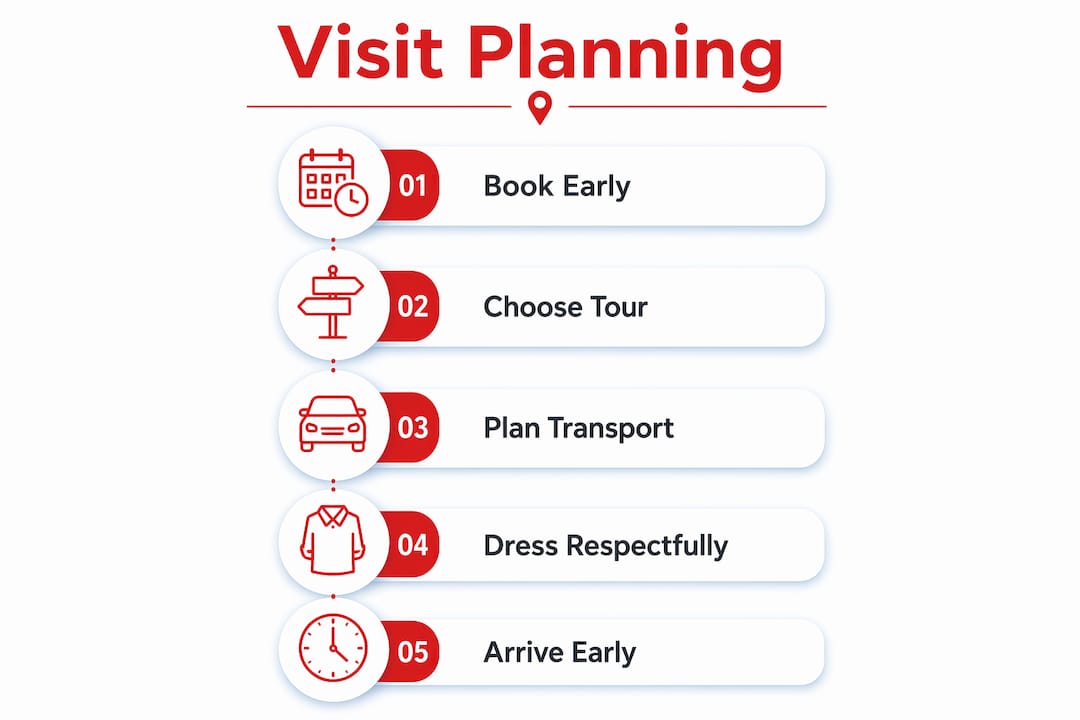
Entry to the Auschwitz-Birkenau Memorial is free, but you cannot walk up and get in. Passes must be reserved online at visit.auschwitz.org before you arrive, and no passes are sold at the gate. During peak hours, a licensed guide-educator is required, not optional. Plan to spend sufficient time at Birkenau to engage meaningfully, arrive early for security screening, and bring a valid photo ID with your personalized entry pass.
Before your visit, here is what to have in order:
- Entry passes: Free, but reserved online only at visit.auschwitz.org. No on-site sales.
- Photo ID: Required at entry alongside your personalized pass.
- Guided tour: Mandatory during most daytime hours; self-guided entry is only available in the late afternoon.
- Arrival time: At least 30 minutes before your scheduled tour for security checks.
- Luggage: Large bags are not allowed inside. Leave them in the car park.
- Dress code: Respectful attire is required. Provocative or overly casual clothing is not permitted.
- Time budget: Allocate ample time for Birkenau and Auschwitz I to adequately experience each site.
- Shuttle bus: A free shuttle connects Auschwitz I and Birkenau for visitors on guided tours.
What guided tour options are available at Auschwitz-Birkenau?
The Auschwitz-Birkenau Memorial offers several structured tour formats, each covering both Auschwitz I and Birkenau. Choosing the right one depends on how much time you have and how deeply you want to engage with the history.
Guided tour options are available in various durations, ranging from shorter to longer immersive visits.
- General tour (2.5 hours): A shorter version covering the main buildings at Auschwitz I and key original structures at Birkenau, including prisoner barracks and the unloading ramp. Offered closer to closing hours.
- General tour (3.5 hours): The standard format. Covers permanent exhibitions at Auschwitz I and the most significant original camp buildings at Birkenau, including the ruins of gas chambers and crematoria II or III.
- Guided tour for individual visitors (3 hours 45 minutes): Designed for solo travelers or small parties who want a private guide-educator. Includes headset rental and the shuttle transfer between sites.
- One-day study tour (6 hours): A specialist tour that goes deeper, adding selected national exhibitions, the Kanada area, and the ruins of gas chambers and crematoria IV and V.
- Two-day study tour (3+3 hours or 4+4 hours): Split across two days for groups needing the most thorough engagement.
- Online tour (2 hours): Live narration divided between Auschwitz I and Birkenau, with multimedia materials, archival photographs, and Survivor testimonies. Available in English, French, German, Hebrew, Italian, Polish, and Spanish.
Only guides licensed by the Museum are authorized to lead tours. They are available in more than 20 languages, including Croatian, Dutch, Japanese, Korean, Norwegian, Russian, Swedish, and Ukrainian, in addition to the seven languages offered online.
Booking protocol:
- Go to visit.auschwitz.org to check available dates and prices.
- Reserve your guide-educator well in advance of your visit to secure your preferred date, especially during busy seasons.
- Guide services can also be reserved by phone at +48 33 844 81 00 (Monday through Friday, 7:00 AM to 3:00 PM CET) up to 2–5 days before the visit.
- Online pass sales close 15 minutes before the tour start time.
Group visitors are required to engage a guide-educator. Individual visitors can join a scheduled group tour or book a private educator. Self-guided entry is only available after a certain hour, depending on the month.
How to plan your arrival, transport, and conduct at the site
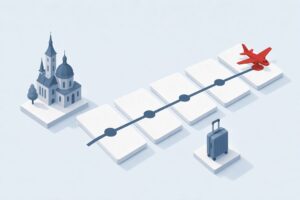
Getting there from Kraków
The museum is located on the outskirts of Oświęcim, a reasonable distance west of Kraków. The visit starts at Auschwitz I, located at 55 Więźniów Oświęcimia Street. From there, the shuttle bus takes guided visitors to Birkenau, about 3 kilometers away.
Local buses and minibuses run between Kraków and Oświęcim, with stops adjacent to the museum. The train station in Oświęcim is about 2 kilometers from the entrance, reachable by local bus. Two international airports serve the region: Kraków-Balice and Katowice-Pyrzowice, both within roughly 50 kilometers of the site.
Opening hours
The museum is open year-round, seven days a week except certain holidays. Entry hours vary depending on the month.
| Month(s) | Entry hours |
|---|---|
| June, July, August | 7:30 AM – 7:00 PM |
| April, May, September | 7:30 AM – 6:00 PM |
| March, October | 7:30 AM – 5:00 PM |
| February | 7:30 AM – 4:00 PM |
| January, November | 7:30 AM – 3:00 PM |
| December | 7:30 AM – 2:00 PM |
Visitors may stay on site for 90 minutes after the last entry hour. The museum may also close temporarily for official state visits or ceremonies, with advance notice posted on auschwitz.org.
When to visit to avoid crowds
Spring and fall typically offer a balance of manageable crowds and pleasant weather. Summer months tend to be the busiest, with mornings filling quickly. Visiting during weekdays outside peak months can provide a quieter experience. Afternoon self-guided entry, available after the guided-tour window closes each day, is an option for experienced visitors, but the museum does not recommend it for first-time visitors.
Visitor conduct and photography
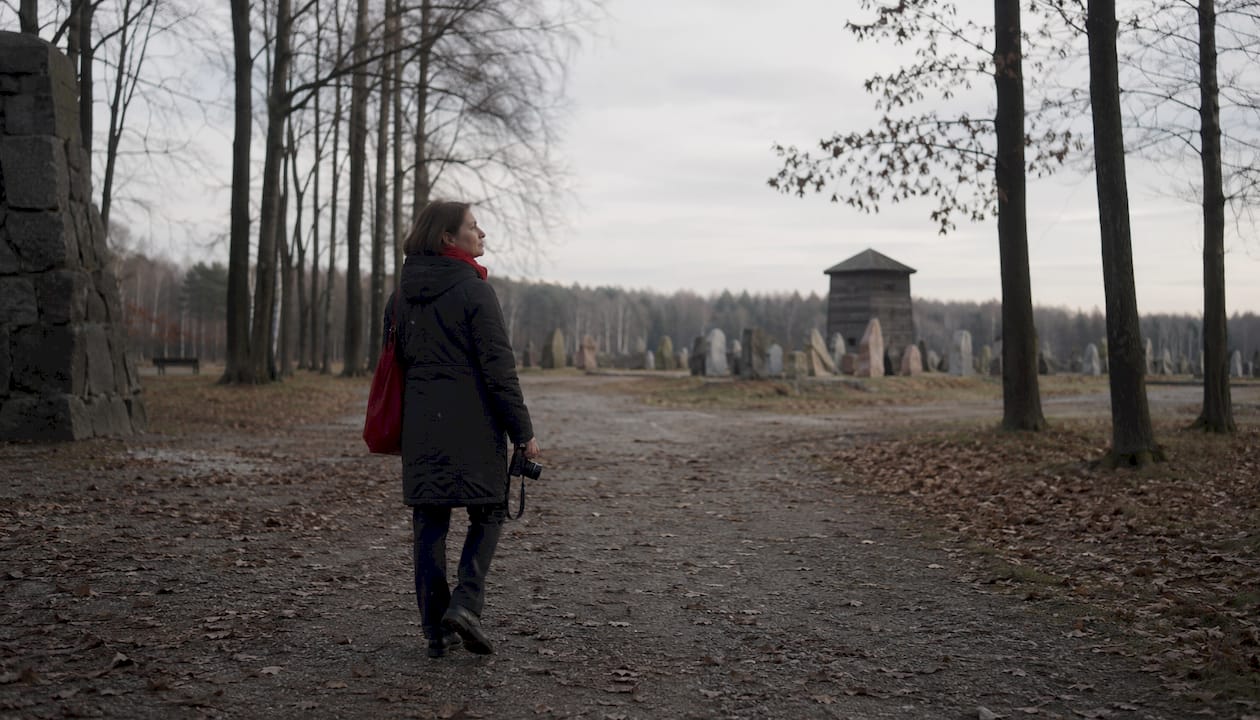
Visitors must dress with due solemnity. Casual attire such as jeans may not meet the site’s expectations for respectful dress. Plan your attire before you go. Flash photography and intrusive picture-taking are prohibited. The grounds are a place of remembrance, and the museum’s regulations make clear that behavior must reflect that at all times.
Restrooms are available on site. A memorial shop operates near the Auschwitz I entrance. There are no cafes on the museum grounds, so eat before you arrive or bring a small snack for outside the gate.
Pro Tip: Book the earliest available morning slot. Security lines are shorter, the light is better for photography, and you will have more energy for the emotionally demanding walk through Birkenau.
What makes Auschwitz I and Birkenau different from each other?
The two sites are about 3 kilometers apart and serve very different roles in the history of the Holocaust. Visiting only one gives you an incomplete picture.
- Auschwitz I was the original camp, established in 1940. It contains the main museum exhibitions, prison blocks, administrative buildings, and the infamous “Arbeit Macht Frei” gate. Most of the permanent exhibitions and national pavilions are housed here.
- Auschwitz II-Birkenau was the largest Nazi extermination and concentration camp. The Nazis built most of their machinery of mass murder here, where approximately one million European Jews were killed. The expansive grounds hold ruins of gas chambers and crematoria, numerous primitive barracks (most wooden), the unloading ramp, and extensive fencing and roads.
Birkenau’s scale is what stops most visitors cold. The sheer physical size of the site, the rows of barracks stretching to the horizon, and the ruins of the crematoria convey something that photographs simply cannot. Study tour groups can also access Block 2 and Block 3 at Auschwitz I and the wooden hospital barracks at Birkenau, preserved almost intact since liberation.
The museum’s official guidance is direct: visiting both parts of the camp is essential to understand the full scope of the Holocaust and Nazi crimes against Jews, Poles, Roma, and other groups. The shuttle bus between sites is available for visitors on guided tours and makes the transfer straightforward.
Why a Comforttours guided experience goes further
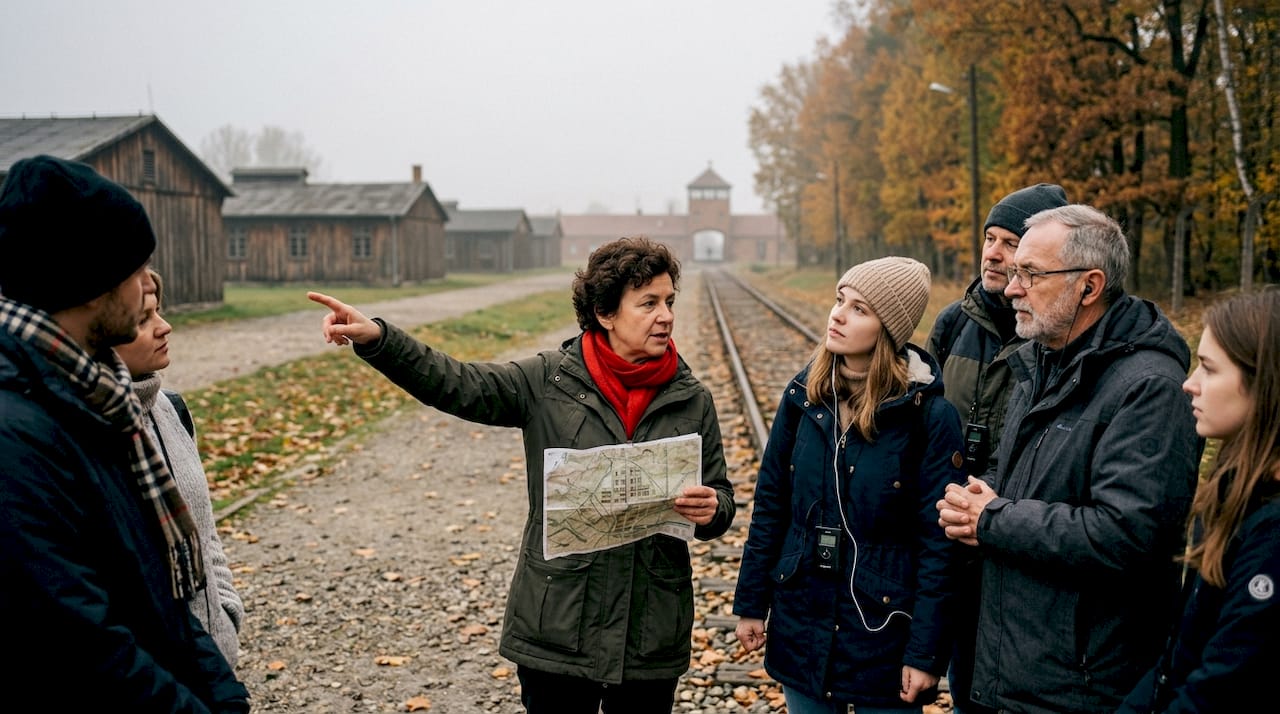
Comforttours runs small-group and private Auschwitz-Birkenau tours from Kraków with licensed guide-educators certified by the Auschwitz-Birkenau Museum. The difference between a large bus tour and a small group becomes obvious the moment you step inside Birkenau. With fewer people, the guide can slow down, read a name from a transport list, or pause at the ruins of a crematorium without losing half the group.
- Licensed guides: Every Comforttours educator holds Museum certification, meeting the same standard required for all authorized tours.
- Small group sizes: Groups are kept small to allow genuine conversation and personal storytelling, not just narration.
- Private transport: Door-to-door pickup from Kraków removes the logistics of buses and train schedules.
- Custom itineraries: Visitors with specific interests, including genealogy research or extended time at Birkenau, can request tailored routes.
- Advance booking: Comforttours handles the visit.auschwitz.org reservation process as part of the booking, so you are not navigating the system alone.
Pro Tip: Opt for a private or semi-private tour with Comforttours if you want to spend more time at Birkenau specifically. Standard group tours move on a fixed schedule; a private guide can adapt the pace to where you need it most.
You can review Auschwitz-Birkenau tour FAQs on the Comforttours site before booking to understand exactly what is included and what to expect on the day.
Key Takeaways
Visiting Auschwitz-Birkenau requires advance online booking, a licensed guide during peak hours, and visitors should allocate a minimum of 90 minutes at Birkenau to engage the site with any real depth.
| Point | Details |
|---|---|
| Reserve passes early | Book at visit.auschwitz.org months ahead; no on-site sales exist. |
| Guided tours are mandatory | During most daytime hours, entry requires a licensed Museum guide-educator. |
| Minimum 90 minutes for Birkenau | The nearly 200-hectare site requires at least 90 minutes; spending less time is insufficient to understand its significance. |
| Dress and pack accordingly | Respectful attire is required; large luggage is prohibited inside the grounds. |
| Comforttours adds depth | Small-group, licensed-guide tours from Kraków allow a more personal and paced experience at both sites. |
Why guided tours are the only honest way to visit Auschwitz-Birkenau
The case for self-guided entry is usually about flexibility. The case against it, at this particular site, is harder to dismiss. Birkenau covers nearly 200 hectares. Without a guide, most visitors walk the main path, look at the ruins of the crematoria, and leave without understanding what they have seen. The physical remains are fragmentary. The context is everything.
A licensed guide-educator does something a map cannot: they place you inside the history. They explain which barracks held which prisoners in which year, why the gas chambers were built where they were, and what the unloading ramp meant for the families who arrived on those trains. That narration is not supplementary. It is the visit.
There is also the emotional dimension. Birkenau is not a museum in the conventional sense. The weight of the place accumulates as you walk, and a good guide manages that accumulation, giving visitors space to process without becoming overwhelmed or, worse, detached. Groups that rush through without guidance often report feeling like they saw the site but did not understand it.
The museum’s own guidance is clear that visiting both Auschwitz I and Birkenau is essential. A guide who knows both sites can connect them, showing how the administrative machinery at Auschwitz I fed the extermination at Birkenau. That connection is what turns a visit into comprehension.
Comforttours makes the logistics disappear so you can focus on what matters
Visiting Auschwitz-Birkenau is demanding enough without worrying about bus schedules, pass reservations, and whether your guide actually knows the history. Comforttours handles the logistics so you arrive prepared, not stressed.
Comforttours offers small-group and private tours from Kraków with Museum-certified guide-educators, private transport, and the option to customize your itinerary around Birkenau specifically. Groups stay small by design. The guides combine historical accuracy with personal storytelling rooted in Polish and local culture, giving the visit a human dimension that a large bus tour rarely achieves. Booking is straightforward, and Comforttours manages the visit.auschwitz.org reservation as part of the process. If you are planning a trip from Kraków and want to visit Auschwitz-Birkenau with a guide who genuinely knows the site, this is the tour worth booking.