
Chochołów is Poland’s best-preserved row of traditional Podhale wooden houses, and it’s well worth a day trip if you love vernacular architecture or living folk traditions. The village sits about 18 kilometres from Zakopane, easily reached from Kraków or Zakopane in a single day. Photographers, history lovers and anyone tired of stereotypical tourist traps will find something genuine here.
TL;DR:
- Visiting in late spring shortly after Easter ensures the log walls are at their brightest and most photogenic, before summer dust and rain dull the finish.
- The best tour starts at the Bafia Cottage museum to understand the uprising, then moves along the street to see traditional carved façades and the Peat Bog Museum.
- Private transfers or organized day tours provide the most convenient access from Kraków, with early morning visits offering softer light and fewer coach groups.
- The wooden houses are built with traditional notched logs, steep hand-split shingle roofs, and are maintained by seasonal scrubbing for preservation, not paint.
- A guided visit enriches understanding of local craftsmanship differences and avoids logistical challenges like language barriers and bus schedules.
Table of Contents
- What is Chochołów, and why does this village matter?
- Which houses and museums should you prioritise?
- How do you get there, and when’s the best time to visit?
- How were these wooden houses built, and how are they kept this way?
- What’s a good itinerary for a UK visitor?
- The 1846 uprising and why it still defines the village
- What does a guided visit add that self-guided exploring misses?
- Planning your Chochołów day trip with ComFort Tours Cracow
- Where to check opening times and read more
- Sources
- FAQ
What is Chochołów, and why does this village matter?
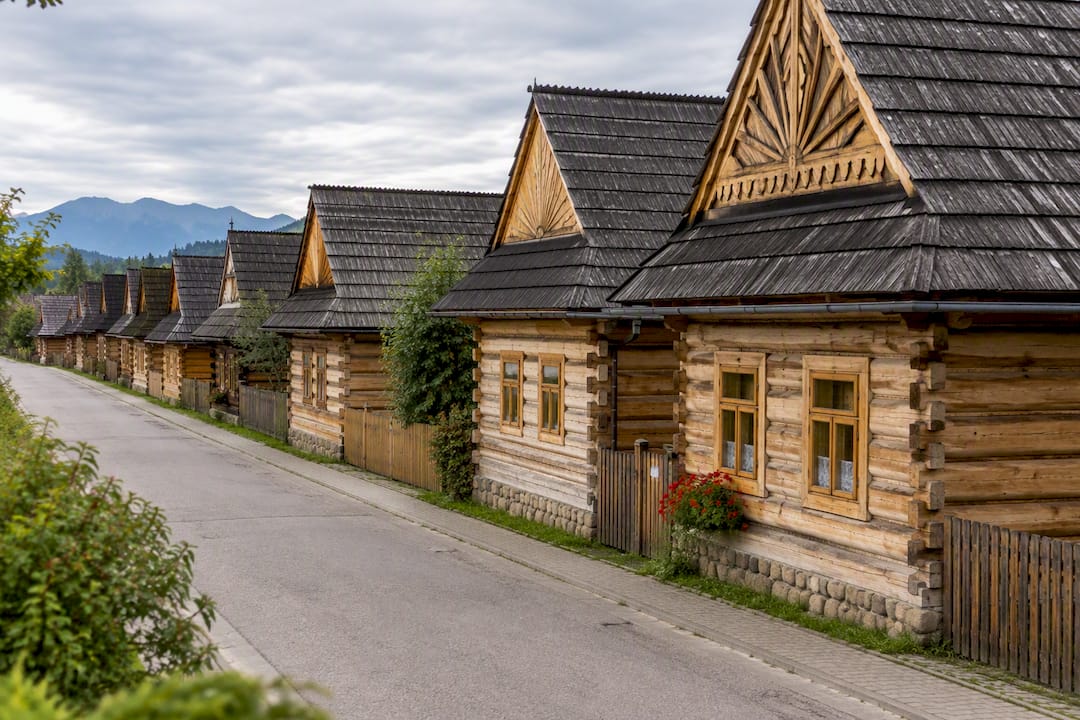
Chochołów grew up between the 16th and 19th centuries as a farming settlement stretched along a single road, the kind of linear “ulicówka” layout you still see across highland Poland. Log cottages line both sides of the street in an almost unbroken chain, which is what makes the place feel less like a museum piece and more like a village that simply never stopped being itself.
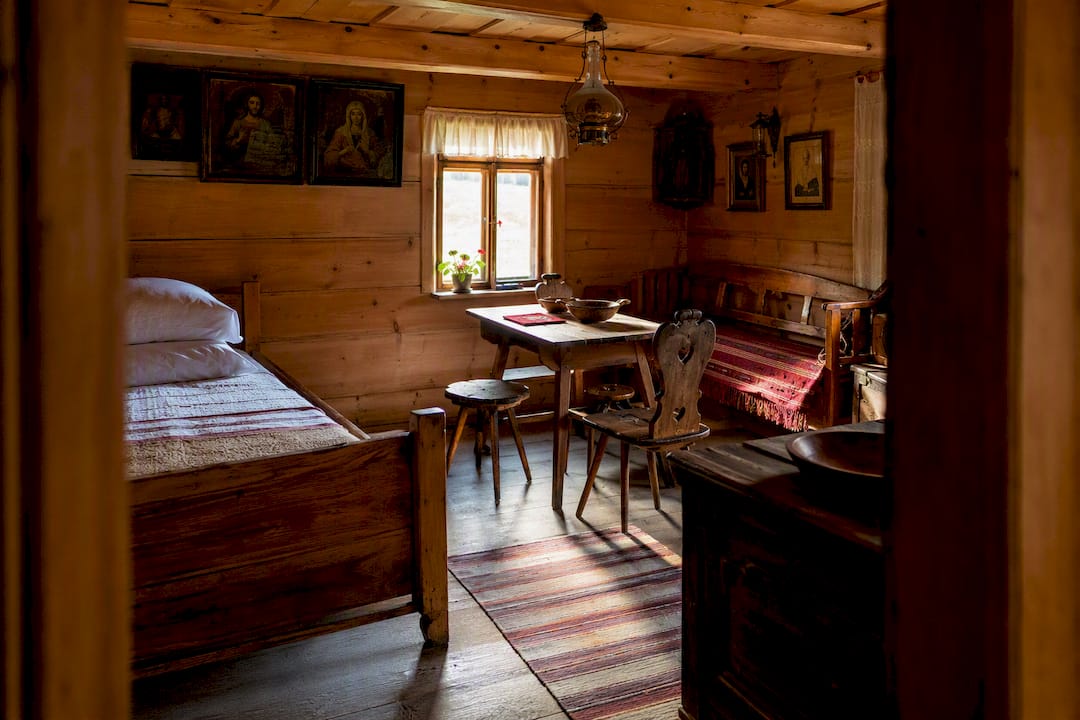
The most dramatic chapter in its story arrived in February 1846, when local farmers rose up against Austrian rule in what became known as the Chochołów Uprising. It didn’t last long and it didn’t succeed, but it left the village with a fierce sense of identity that locals still talk about today. That history now lives inside the Bafia Cottage, which functions as the Chochołów Uprising Museum and gives visitors a proper sense of what daily life and rebellion looked like in the Podhale hills nearly two centuries ago.
Carpentry skill runs through everything here. Generations of local builders passed down techniques for shaping whole tree trunks into walls without a single nail, and that craftsmanship is precisely why so many original 19th-century structures have survived intact rather than being demolished and rebuilt in brick, as happened elsewhere in Poland.
A few things explain why Chochołów kept its wooden character when so many similar villages didn’t:
- Heritage-protection status has restricted alterations to the historic street since the mid-20th century.
- Many houses remain privately owned family homes rather than relocated museum exhibits, which keeps the village lived-in and authentic.
- Limited industrial development in the immediate area meant less pressure to replace old buildings.
- Strong local pride in the 1846 uprising gave residents an extra reason to preserve rather than modernise.
Which houses and museums should you prioritise?
You could wander the street for hours, but if your time is tight, here’s the order worth following.
- Bafia Cottage (Chochołów Uprising Museum). Start here. It’s the anchor of the whole visit, with period furnishings, uprising-era artefacts and the clearest explanation of why this particular village became a flashpoint against Austrian rule.
- Cottage No. 24. Look for the front wall carved from a single fir trunk, a genuine feat of 19th-century joinery and one of the most photographed façades on the street.
- Natural Heritage Centre (Peat Bog Museum). Opened in 2018 inside a traditional wooden building, this interactive exhibition explains the peat bogs that shaped the surrounding Podhale landscape, a nice contrast to the human history next door.
- The wider row of cottages. Even without stepping inside, simply walking the length of the street reveals the variety of roof pitches, shutters and decorative carving from house to house.
- The church in nearby Witów. A short detour worth making if you have transport, giving useful context on the religious life that shaped the village calendar, including its Easter cleaning traditions.
How do you get there, and when’s the best time to visit?
Chochołów sits about 18 kilometres from Zakopane, which puts it comfortably within reach as a day trip from Kraków or as an easy add-on to a longer Zakopane stay. From Kraków, expect a couple of hours on the road each way, so most visitors pair it with other Podhale stops rather than treating it as a standalone outing.
Getting there comfortably matters more than people expect, since public transport connections into the village itself are limited compared with the main Zakopane route. Practical options include:
- A private transfer or hire car, which gives you flexibility to combine Chochołów with Zakopane or the thermal baths on the same day.
- Public bus services running via Zakopane, though timetables are sparser and less convenient for a tight schedule.
- Organised day tours that bundle Chochołów with other Podhale sights, removing the guesswork around timing and parking.
Morning visits tend to reward you best. The light on the whitewashed log walls is softer, and you’ll beat the coach parties that tend to arrive from late morning onwards. The site is mostly outdoor and street-level, which makes it manageable for most mobility levels, though some individual cottage interiors have narrow doorways and uneven wooden thresholds typical of 19th-century construction.
How were these wooden houses built, and how are they kept this way?
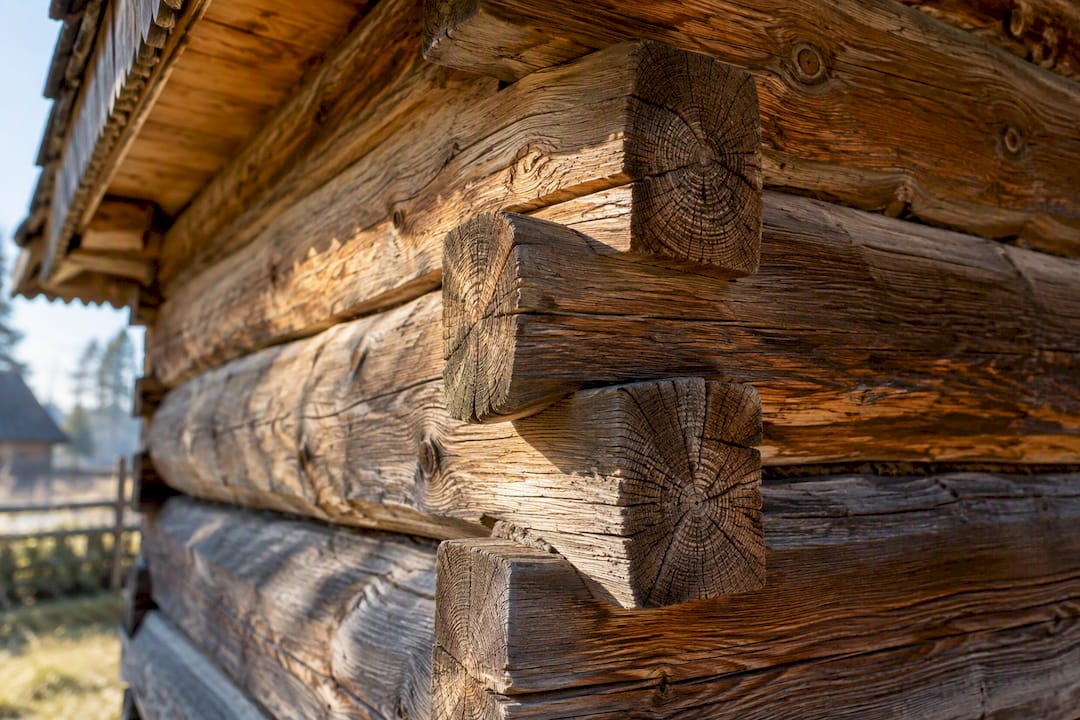
Podhale carpenters built these cottages using horizontal log construction, stacking whole trunks and locking them together at the corners without a single nail. The technique demanded precise notching so each log seated tightly against the one below, a skill passed down through families rather than taught in any formal school.
Roofs follow the traditional half-hip style known locally as połaciowy, angled steeply enough to shed heavy mountain snow, and covered in hand-split wooden shingles rather than tile or slate. Look closely at gable ends and window frames and you’ll spot carved decorative touches called słoneczka (little suns) and pazdury (finials), which weren’t just ornamental. They carried symbolic meaning tied to protection and prosperity for the household.
What keeps the village looking so consistently pale and well-kept isn’t paint. It’s a maintenance ritual: locals traditionally scrub the log walls with soapy water around Easter and Corpus Christi, a practice the regional tourism authority still documents as part of Chochołów’s living heritage rather than a museum reconstruction.
- Log walls: assembled without nails, relying entirely on notched joints.
- Roofs: steep half-hip pitch, hand-split wooden shingles.
- Decoration: carved słoneczka and pazdury with symbolic meaning.
- Upkeep: seasonal soap-and-water scrubbing rather than modern paint or varnish.
Pro Tip: Visit in late spring shortly after the Easter scrubbing and the log walls will be at their brightest and most photogenic, before summer dust and rain dull the finish again.
What’s a good itinerary for a UK visitor?
However much time you have, Chochołów slots in cleanly around a Zakopane or Kraków base.
- Half-day plan. Arrive by mid-morning, spend 45 minutes at the Bafia Cottage museum, walk the full street length (roughly 20 to 30 minutes), then finish at the Peat Bog Museum before lunch. Two to three hours covers it comfortably.
- Full-day plan from Kraków. Set off early, reach Chochołów by late morning, then continue on to Zakopane for lunch and an afternoon at the thermal baths or a walk towards Morskie Oko if the weather holds. Regional guides consistently flag this pairing with thermal baths as one of the better-rated ways to spend the day.
- Photography-focused route. Arrive right at opening, shoot the street in morning light before coach groups appear, then work your way house by house towards Cottage No. 24. Pack a lens hood and a light jacket, since the Podhale weather turns quickly even in summer.
If you’re building a food stop into the day, pairing local cuisine with cultural visits is a good way to extend the experience beyond just the architecture.
The 1846 uprising and why it still defines the village
Chochołów’s founding stretches back centuries, but one winter uprising did more to shape its identity than any other event. In February 1846, farmers here took up arms against Austrian rule as part of a wider, ultimately unsuccessful, wave of unrest across the region. The Austrian authorities crushed it quickly, and the consequences for the village were harsh.
What’s remarkable is how that failed rebellion became a source of local pride rather than shame. Chochołów is one of the few Podhale villages where an act of open defiance against imperial rule is memorialised inside a dedicated museum, the Bafia Cottage, rather than quietly forgotten. Walking through it, you get a sense of ordinary highland farmers making an extraordinary decision, and the village choosing to remember them for it rather than move on.
That history also helps explain the strength of local identity that has, indirectly, protected the architecture itself. Villages with a strong collective story tend to resist casual demolition and rebuilding, and Chochołów’s uprising gave residents exactly that kind of story to rally around.
What does a guided visit add that self-guided exploring misses?
Walking the street alone, you’ll admire the log walls. What you’ll miss is why one house has a fir-trunk façade and its neighbour doesn’t, or which carved motifs mark a wealthier 19th-century household versus a modest one.
A guide fills those gaps, and for UK travellers the logistical side matters just as much: no wrestling with Polish bus timetables, no language barrier at the museum ticket desk, and a pace that matches your interests rather than a coach schedule. Small groups make a real difference here too. You can ask questions mid-walk instead of shuffling past a cottage in a crowd of forty. That’s the whole idea behind how some local operators run their Podhale excursions.
— Damian Fort
Planning your Chochołów day trip with ComFort Tours Cracow
Another alternative to piecing together buses and timetables yourself is a small group with one driver, avoiding the need to hunt for connections between Kraków, Chochołów and Zakopane.

If you’re coming from Kraków, a private transfer gets you to Podhale without the stress of hire-car navigation on unfamiliar mountain roads. For a day built specifically around the wooden villages and highland scenery, the wooden architecture trail links Chochołów with other notable timber sites, and it pairs naturally with a stop at the Chochołów thermal baths if you’d rather finish the day relaxing than rushing to catch a bus back.
Groups stay small by design, so you get a driver and guide who’ll actually answer your questions about the carved słoneczka on a cottage gable rather than reciting a script to forty people at once. Pick-up times are arranged around your schedule, not the other way round, and guides work comfortably in English throughout. Browse the full range of Kraków day trips and get in touch to build a Chochołów visit around whatever else is on your itinerary.
Where to check opening times and read more
For the latest opening hours and museum details, the VisitMałopolska listing is the most reliable official source. For a deeper look at individual cottages and photography timing, see this Chochołów village guide. For recent visitor impressions, check traveller reviews on TripAdvisor before you go.
Sources
- The folk architecture complex, Chochołów – VisitMałopolska
- Chochołów: Traditional Wooden Village Poland Guide 2026
- ŻY WY SKANSEN – HISTORYCZNA ZABUDOWA CHOCHOŁOWA — TripAdvisor
FAQ
How do you get to Chochołów from Kraków?
There’s no direct train, so most visitors travel by private transfer, hire car, or an organised day tour that includes transport. The drive takes a couple of hours each way, making it realistic as a single-day trip when combined with a stop in Zakopane.
Is Chochołów open all year round?
The village street itself is always accessible since it’s a lived-in community, but the Bafia Cottage museum and Peat Bog Museum keep seasonal hours that shift with tourist demand. Check the VisitMałopolska listing before travelling to confirm current times.
Can you take photographs of the wooden houses?
Yes, photographing the exterior street and cottages is generally unrestricted, since it’s a public village road rather than a fenced museum site. Some museum interiors may restrict flash photography, so it’s worth asking staff on arrival.
How long should you spend at Chochołów?
Two to three hours covers the main street, Bafia Cottage and the Peat Bog Museum comfortably. Add extra time if you want to explore Cottage No. 24 in detail or continue on to the church in nearby Witów.
Is Chochołów worth visiting if you’ve already seen Zakopane?
Yes. Zakopane offers mountain scenery and a lively town centre, while Chochołów offers something Zakopane’s modern development has largely lost: an intact street of authentic 19th-century log cottages still standing in their original form.