May, June, September, and October are the best months to visit Kraków for most travellers. According to Weather and Climate, these shoulder months deliver mild temperatures, longer daylight hours, and noticeably smaller crowds than the peak summer rush. Here is what that means in practice:
- May–June: Daytime highs climb into the mid-teens to low 20s °C, rain is possible but manageable, and the city’s parks and squares are at their most inviting.
- July–August: The warmest period, with afternoon highs around 23–25°C, but also the busiest and most expensive. Expect queues at Auschwitz-Birkenau and Wieliczka Salt Mine.
- September–October: Crowds thin, prices ease, and the autumn colour across Planty Park is genuinely beautiful. Temperatures cool quickly by late October.
- November–March: Cold, often grey, and occasionally snowy. January is the coldest month, with daytime highs near 2°C. The trade-off is real: far lower prices and almost no queues.
- December: A special case. The Christmas market on the Main Market Square draws visitors back despite the cold.
Key takeaways
Kraków’s shoulder months (May–June and September–October) give most travellers the best balance of comfortable weather, manageable crowds, and reasonable prices.
| Point | Details |
|---|---|
| Best months for most travellers | May, June, September, and October offer mild temperatures and fewer crowds than peak summer. |
| Coldest month | January averages a high of 2°C and a low of −4°C; pack full winter kit and expect short daylight. |
| Wettest month | July records the highest monthly rainfall totals; afternoon thunderstorms are common but usually brief. |
| Year-round packing rule | A lightweight, packable waterproof jacket is more practical than an umbrella on Kraków’s cobbled streets in any season. |
| ComFort Tours Cracow | Small-group and private tours run year-round; book early for summer slots and Christmas market weekends. |
Table of Contents
- What does Kraków’s weather look like month by month?
- How does Kraków’s climate work across the seasons?
- Month-by-month guide to Kraków’s weather
- Which months suit your travel goals?
- Seasonal planning tips from the ComFort Tours Cracow guides
- What the weather data actually tells you about timing
- Plan your Kraków visit with ComFort Tours Cracow
- Sources
- FAQ
What does Kraków’s weather look like month by month?
The table below draws on long-record climatology from WeatherJourney and Weatherspark. Precipitation tendency is rated relative to the annual average; daylight figures are approximate.
| Month | Avg high (°C) | Avg low (°C) | Precipitation | Daylight (hrs) |
|---|---|---|---|---|
| January | 2 | −4 | Low | 8 |
| February | 4 | −3 | Low | 10 |
| March | 9 | 1 | Low–Moderate | 12 |
| April | 14 | 4 | Moderate | 14 |
| May | 19 | 9 | Moderate | 16 |
| June | warm | mild | Moderate–High | longer daylight |
| July | 24 | 14 | High | 16 |
| August | 24 | 14 | High | 14 |
| September | 19 | 10 | Moderate | 12.5 |
| October | 13 | 5 | Moderate | 10.5 |
| November | 7 | 1 | Moderate | 8.5 |
| December | 3 | −3 | Low–Moderate | 7.5 |
Coldest month: January, with daytime highs near 2°C and nights around −4°C.
Wettest month: July typically records the highest monthly rainfall totals of the year.
Reading the table for daily planning: the high is what you will feel walking around mid-afternoon; the low is what greets you at breakfast or after an evening meal. A 10°C gap between high and low is common in spring and autumn, so layers matter more than the single headline figure suggests.
How does Kraków’s climate work across the seasons?
Kraków sits in southern Poland at roughly 220 metres above sea level, giving it a temperate continental climate with four clearly defined seasons. Winters are cold and can be damp; summers are warm and occasionally thundery; spring and autumn are the most variable.
Spring (March–May) starts tentatively. March averages around 9°C in the afternoon but can still drop below freezing overnight. By May, the city is genuinely pleasant: green, lively, and warm enough for outdoor café culture without the summer heat.
Summer (June–August) is warm and bright, with up to 16.5 hours of daylight in June. It is also the wettest season. Weatherspark’s long-record data shows the wetter season running roughly May through August, with July often the single wettest month in total rainfall. Afternoon thunderstorms are common in July and August, usually short but heavy.
Autumn (September–October) is arguably Kraków’s most underrated season. September still feels like summer in the first half, then cools steadily. October is crisp, colourful, and quiet.
Winter (November–March) brings the cold. The coldest stretch runs from late November through early March, with daily highs regularly below 6°C and nights frequently below freezing. Snow is most likely in December, January, and February, though heavy falls are not guaranteed every year.
Annual precipitation: Kraków receives roughly 820–870 mm of rain and snow per year, with July frequently recording the greatest monthly totals and January among the driest months.
Pro Tip: In spring and autumn, pack a lightweight, packable waterproof jacket rather than a bulky umbrella. Kraków’s cobbled Old Town streets are uneven, and a jacket keeps your hands free while protecting against the sudden showers that can appear even on otherwise sunny days.
Month-by-month guide to Kraków’s weather
January
Average high 2°C, low −4°C. 30YearWeather’s NASA POWER dataset places January daytime highs near 2°C with nights around −4°C. Snow is possible, skies are often overcast, and daylight is limited to around 8 hours. Crowds are minimal and prices are at their lowest.
What to pack: Thermal base layers, a heavy coat, waterproof boots with grip, hat, gloves, and a scarf. Indoor heating in Kraków’s restaurants and museums is strong, so removable layers help.
What to expect: The city is quiet. Auschwitz-Birkenau and Wieliczka Salt Mine have short or no queues. The Cloth Hall market is open but subdued.
Pro Tip: Winter visitors who accept the cold get something summer visitors rarely see: Wawel Castle’s courtyard almost entirely to themselves.
February
Average high 4°C, low −3°C. Slightly warmer than January but still firmly winter. Daylight creeps up to around 10 hours. Precipitation remains low.
What to pack: Same as January. Add hand warmers if you feel the cold acutely.
What to expect: Fat Thursday (Tłusty Czwartek) falls in February, when every bakery in the city sells pączki (Polish doughnuts) in enormous quantities. A genuinely local experience.
March
Average high 9°C, low 1°C. Spring begins tentatively. 30YearWeather’s March data shows precipitation probability rising slightly as the month progresses. Daylight reaches around 12 hours by the end of March.
What to pack: Mid-weight layers, a waterproof jacket, and comfortable walking shoes. Snow is still possible early in the month.
What to expect: Easter often falls in March or April, bringing Polish families into the city and a lively atmosphere around the Main Market Square. Book accommodation early if your dates overlap with Easter weekend.
April
Average high 14°C, low 4°C. One of the most pleasant months for sightseeing. Daylight extends to around 14 hours. Rain increases but rarely dominates a full day.
What to pack: Light layers, a waterproof jacket, and comfortable shoes. A light jumper for evenings.
What to expect: The city starts to fill up, but nothing like summer. Outdoor walking tours are comfortable. The Tatra Mountains near Zakopane still have snow at altitude, making April a good month for a winter day trip if you want mountain scenery without full winter conditions in the city.
May
Average high 19°C, low 9°C. May is one of the two best months to visit Kraków. Temperatures are warm, daylight stretches to 16 hours, and the city’s parks are in full bloom. Crowds are building but not yet overwhelming.
What to pack: Light clothing, a waterproof layer for afternoon showers, and comfortable walking shoes. Sunscreen is worth adding.
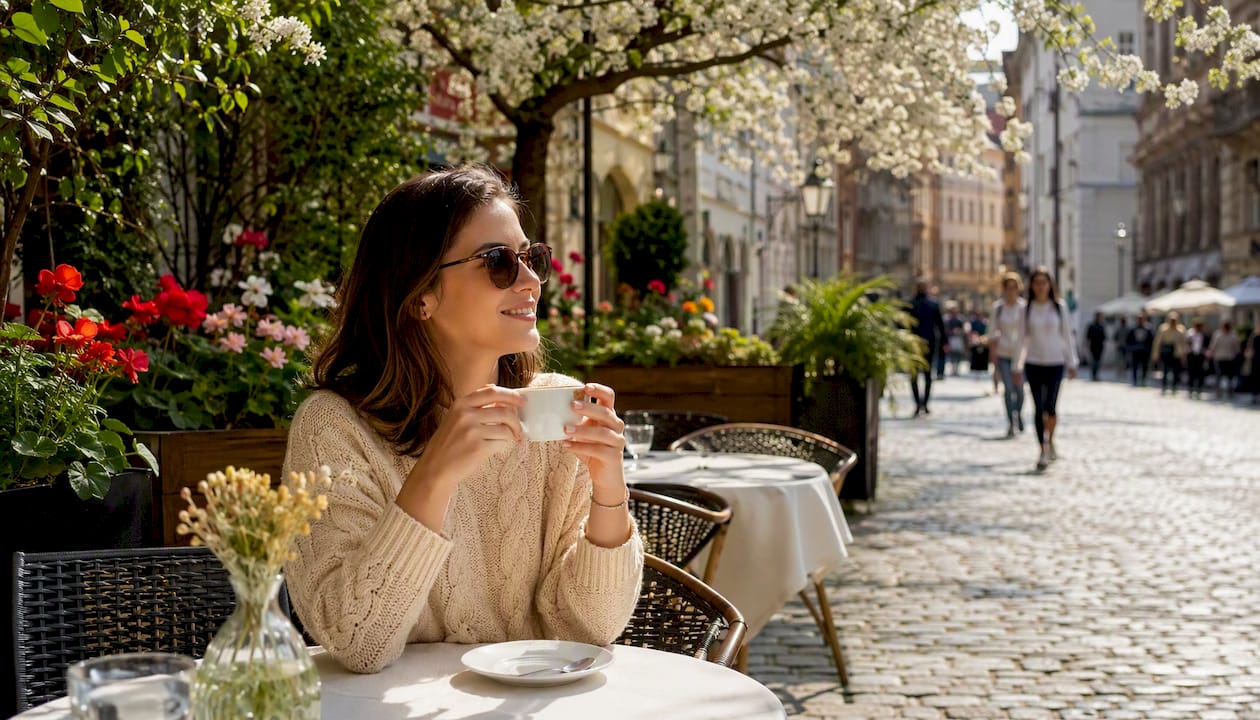
What to expect: Constitution Day (3 May) is a public holiday; expect some closures but also street celebrations. Kraków walking tours are at their most enjoyable this month.
June
Average high 22°C, low 13°C. Warm, long days and a lively atmosphere. The wetter season is underway, so afternoon showers are regular, but mornings are often clear and sunny. Daylight peaks at around 16.5 hours.
What to pack: Summer clothes, a light waterproof, and sunscreen. Evenings can still be cool, so a thin layer helps.
What to expect: The Wianki midsummer festival on the Vistula riverbank is a highlight. Outdoor terraces are packed. Book popular tours well in advance.
July
Average high 24°C, low 14°C. The warmest month and the wettest. July records the highest monthly rainfall totals of the year, typically arriving as heavy afternoon thunderstorms rather than all-day drizzle. Daylight is around 16 hours.
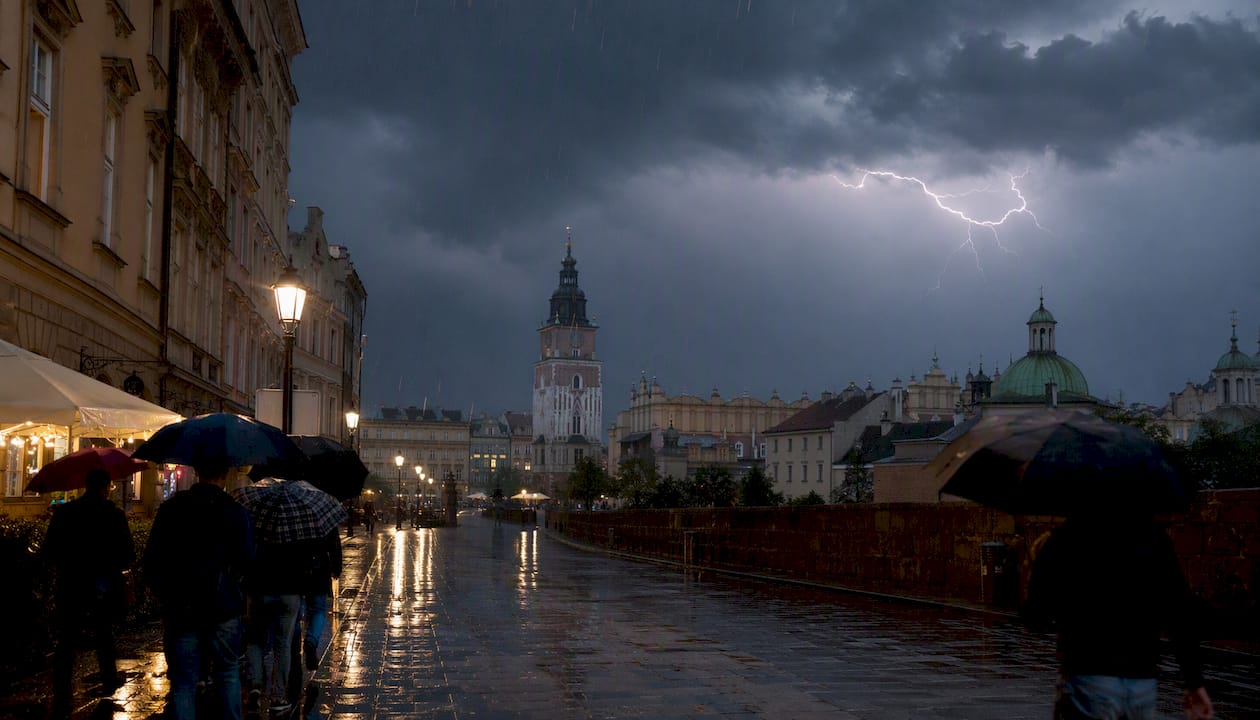
What to pack: Light summer clothing, a compact waterproof jacket, and sunscreen. Sandals are fine for dry spells, but keep a pair of closed shoes handy.
What to expect: Peak tourist season. Queues at major sites are longest now. Book Auschwitz-Birkenau tickets months ahead; the same applies to Wieliczka Salt Mine. Accommodation prices are at their highest.
Pro Tip: Visit major outdoor sites in the early morning (before 9:00 AM) to beat both the crowds and the afternoon heat. By 2:00 PM, the Main Market Square can feel uncomfortably busy.
August
Average high 24°C, low 14°C. Almost identical to July in temperature. Rainfall remains high. The city is still packed with visitors, though the very last week of August sees the first thinning of crowds as European school holidays end.
What to pack: As for July. A light cardigan for air-conditioned restaurants and museums.
What to expect: The Kraków Film Music Festival and various open-air concerts make August culturally rich. Outdoor horse riding by the lake is a popular activity in this weather.
September
Average high 19°C, low 10°C. The start of the best shoulder season. Temperatures remain comfortable, daylight is around 12.5 hours, and crowds drop noticeably after the first week. Prices follow.
What to pack: Light layers, a waterproof jacket, and a mid-weight jumper for evenings. The temperature gap between afternoon and evening widens.
What to expect: One of the most relaxed months to visit. The season-by-season guide from ComFort Tours highlights September as particularly good for history-focused visits, when sites are accessible without the summer scrum.
October
Average high 13°C, low 5°C. Autumn is fully established. Daylight falls to around 10.5 hours. Rain is moderate. The city’s chestnut trees and Planty Park turn golden.
What to pack: Warm layers, a waterproof jacket, and sturdy shoes. A light scarf and gloves for late October evenings.
What to expect: All Saints’ Day (1 November) approaches, and the Rakowicki Cemetery candlelight vigil on the evening of 31 October is one of the most moving local traditions in the city.
November
Average high 7°C, low 1°C. Winter is arriving. Daylight drops to around 8.5 hours. Skies are frequently overcast. Crowds are thin and prices are low.
What to pack: Winter coat, warm layers, waterproof boots, hat, and gloves.
What to expect: A quiet month. Good for museum-heavy itineraries and indoor experiences. The Christmas market preparations begin towards the end of November.
December
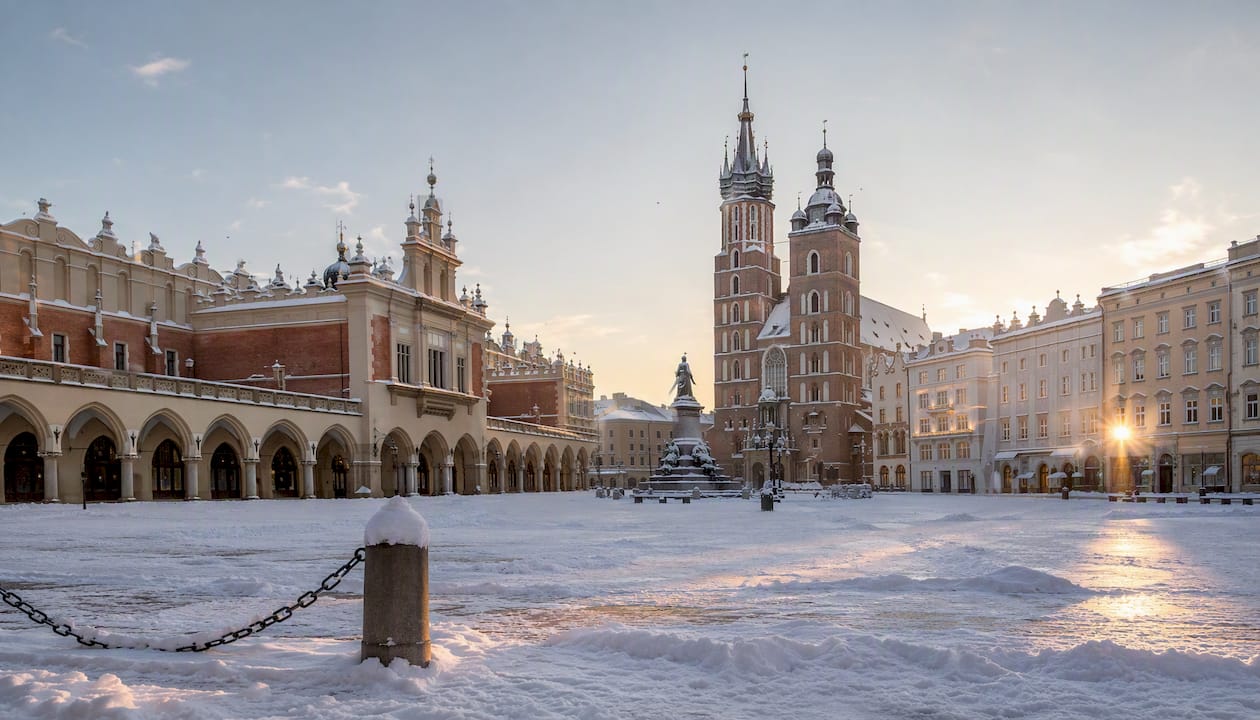
Average high 3°C, low −3°C. Cold, dark, and magical if you time it right. The Kraków Christmas market on the Main Market Square runs through most of December and is one of the finest in Central Europe. Daylight is at its shortest, around 7.5 hours.
What to pack: Full winter kit: heavy coat, thermal layers, waterproof boots, hat, scarf, and gloves.
What to expect: The Christmas market weekends sell out accommodation fast. Book well ahead. Snow is possible and, when it falls on the Market Square, the effect is genuinely spectacular.
Which months suit your travel goals?
| Travel goal | Best months | Key trade-off |
|---|---|---|
| Sightseeing with mild weather | May, June, September | June can be wet; September crowds thin quickly |
| Warmest weather | July, August | Busiest, most expensive, wettest |
| Budget travel and quiet | January, February | Cold, limited daylight, some closures |
| Autumn colour and calm | September, October | October evenings turn cold fast |
| Christmas market | December | Cold; accommodation books out early |
| Skiing day trips to Zakopane | December–March | Mountain conditions vary; book transport in advance |
| Festivals and outdoor events | June, July, August | Highest prices and longest queues |
The core tension in Kraków is simple: the weather that most people want (warm, sunny, long days) coincides exactly with the highest prices and longest queues. Shoulder months resolve that tension almost entirely.
Seasonal planning tips from the ComFort Tours Cracow guides
Local guides who run tours year-round develop a different relationship with Kraków’s weather than a visitor who comes once. A few things they consistently flag:
- Layering beats a single heavy coat in spring and autumn. Indoor venues, from the Wawel Royal Cathedral to the Wieliczka Salt Mine, are temperature-controlled in ways that make a thick parka uncomfortable within minutes of entering.
- A packable waterproof jacket is the single most useful item you can bring, in any season except deep winter. Weather and Climate’s guidance on Kraków’s shoulder seasons specifically notes that a lightweight waterproof is more practical than an umbrella on cobbled streets.
- Wet days are museum days. The Kraków National Museum, the Schindler’s Factory Museum, and the underground Rynek Underground are all excellent wet-weather alternatives to outdoor walking.
- Book Auschwitz-Birkenau and Wieliczka Salt Mine early, regardless of season. In summer, slots fill months in advance. Even in winter, guided entry windows are limited.
- For Zakopane day trips in winter, use a service with winter-appropriate vehicles and check Tatra mountain weather separately from city forecasts. Conditions at altitude can be dramatically different from what the Kraków city forecast shows.
- Christmas market weekends in December sell out local accommodation faster than any other period outside peak summer. If you want the market experience, book as early as you would for July.
Pro Tip: If you are visiting in June or September and want a Kraków walking tour, book a morning slot. The light is better for photography, the streets are quieter, and you avoid the afternoon showers that are common in both months.
What the weather data actually tells you about timing
Most travellers fixate on the temperature column and ignore the daylight figure. That is a mistake. In January, you have roughly 8 hours of usable daylight. In June, you have more than 16. That difference shapes everything: how many sites you can visit in a day, whether a day trip to Zakopane feels rushed, and whether evening meals feel like a natural extension of the day or a retreat from the dark.
The wettest months are also the warmest, which catches people off guard. July’s rain does not arrive as a persistent drizzle; it arrives as a 45-minute thunderstorm that clears to blue sky. That is manageable with a waterproof jacket and a flexible attitude. What is harder to manage is the crowd density, which peaks at exactly the same time.
Winter visitors who accept the cold and the short days get something genuinely valuable: Kraków’s most famous sites with almost no queues, prices that are a fraction of summer rates, and a city that feels lived-in rather than performed for tourists.
Plan your Kraków visit with ComFort Tours Cracow
Knowing the best months is one thing. Turning that into a booked, well-paced trip is another. ComFort Tours Cracow runs small-group and private guided tours across every season, from summer walking tours of the Old Town to winter day trips to the Tatra Mountains with transport suited to icy roads.
For summer visits, early booking is not optional: group tour slots and Auschwitz-Birkenau entry windows fill months ahead. For winter, the advantage is flexibility, and ComFort Tours’ private transfer service means you are not relying on public transport when temperatures drop and schedules shift. Browse the full range of tours and experiences and book directly to secure your preferred dates.
Sources
The monthly averages in this guide draw on the following climatology sources. For live conditions close to your travel dates, check a short-range forecast service 3–5 days before you depart.
- Weather and Climate — Kraków weather by month
- Average weather in Kraków — Weatherspark
- Kraków average temperature by month — WeatherJourney
FAQ
What is the best month to visit Kraków?
May, June, September, and October are the most consistently recommended months, offering mild temperatures and smaller crowds than peak summer. September is particularly good for history-focused visits when major sites are accessible without long queues.
What is the coldest month in Kraków?
January is the coldest month, with average daytime highs near 2°C and nights around −4°C. Snow is possible, daylight is limited to around 8 hours, and full winter clothing is necessary.
Is Kraków expensive to visit?
Kraków is one of the more affordable city-break destinations in Central Europe for UK travellers, and prices vary significantly by season. January and February are the cheapest months; July and August, and Christmas market weekends in December, are the most expensive.
Which months get the most rain in Kraków?
July typically records the highest monthly rainfall totals of the year, with June and August also wetter than average. Rain in summer usually arrives as short afternoon thunderstorms rather than all-day drizzle, so a compact waterproof jacket is sufficient.