
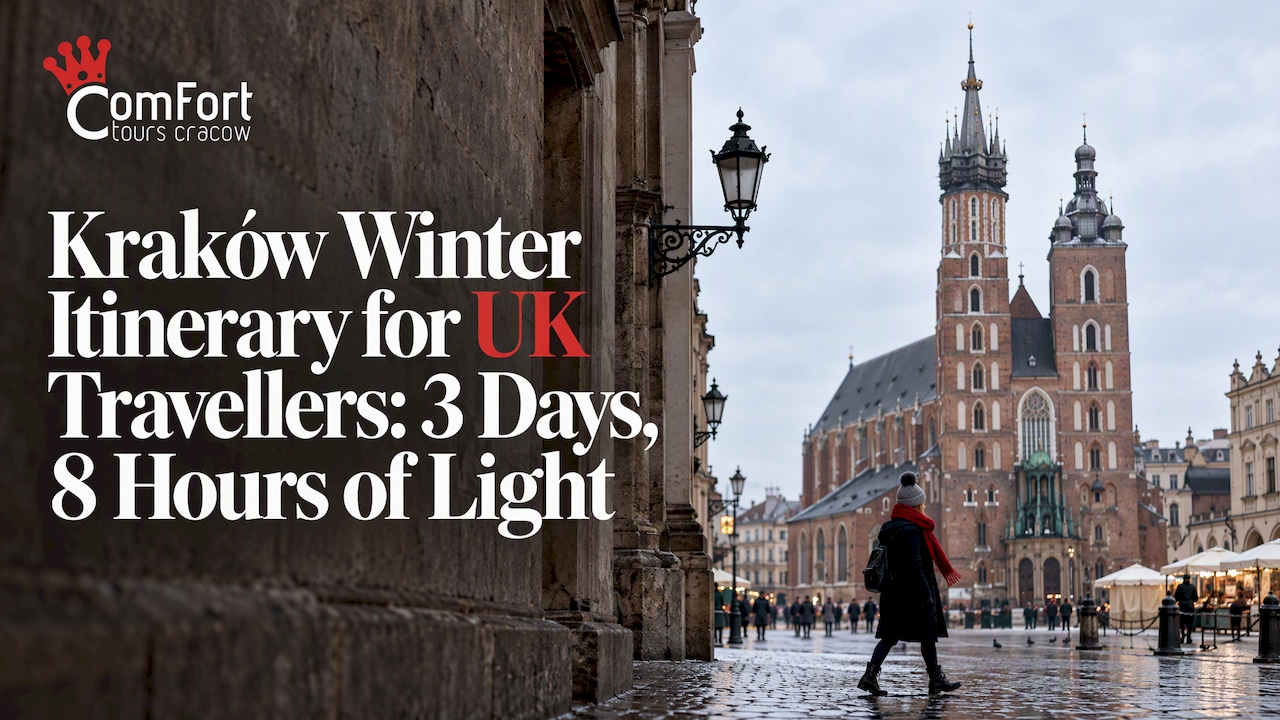
For a cosy, low-crowd January trip to Kraków, we’d plan 2 to 4 days, with three being the sweet spot: enough time for the Old Town, Kazimierz and one proper day trip, either Wieliczka or Auschwitz. Expect temperatures hovering close to 0°C and short daylight, so pack proper layers and book your guided visits before you fly.
Key Takeaways
Visiting Kraków in winter benefits travelers with fewer crowds and better pacing, provided they prioritize guided tours, proper layering, and planning around daylight hours.
| Point | Details |
|---|---|
| Prioritize guided tours | Book Wieliczka Salt Mine and Auschwitz-Birkenau tours early, as winter slots fill faster and daylight is limited. |
| Plan outdoor activities carefully | Schedule outdoor sightseeing like the Old Town and Wawel early in the day when light and weather conditions are better. |
| Dress in layers | Wear thermal base layers, a waterproof windproof shell, insulated boots, and accessories to stay warm and dry. |
| Optimize winter itinerary | Drop one minor stop and build days around major visits, protecting time for guided tours and avoiding rushed experiences. |
| Use ComFort Tours Cracow services | We provide flexible, guided day trips with pickups and assistance to maximize comfort during your winter trip. |
Table of Contents
- Three days in Kraków: a winter-ready itinerary
- Weather, packing and travel essentials for January
- Planning Wieliczka and Auschwitz visits in winter
- Where to eat and what to do once it gets dark
- What our guides notice about winter in Kraków
- Our take on planning a Kraków winter trip
- Book your Kraków winter days with us
- FAQ
- Sources
Three days in Kraków: a winter-ready itinerary
January rewards travellers who plan around the light, not against it. The sun is up for barely eight hours in Kraków in January, so we build each day from mid-morning indoor warmth outward, saving the cold, open-air bits for when your legs are fresh and the light is still decent.
- Day 1, arrival and Old Town: land, check in, then head straight for Rynek Główny. Walk the Cloth Hall stalls, pop into St Mary’s Basilica to catch the hourly trumpet-call from the tower, and warm up over a milk bar lunch. Budget two hours for the square and basilica combined, with a café break built in.
- Day 2, Wawel and Kazimierz: start at Wawel Castle first thing, since winter opening runs shorter hours between November and March and some chambers close early. Allow ninety minutes for the Castle and Cathedral, then take a taxi or tram south to Kazimierz for the afternoon. Round off the evening with a folk show or a small concert rather than another walk in the dark.
- Day 3, one day trip: this is your Wieliczka or Auschwitz day. Both need most of your daylight hours, so treat this as a fixed commitment rather than something to squeeze in around other plans.
The sequencing matters more in winter than in July. Outdoor stretches like the Rynek and the Wawel courtyards go first, while anything underground, indoors or seated slots in neatly for the afternoon, when the cold bites hardest and the light has already started fading by half past three. If snow or ice disrupts a plan, swap the outdoor morning for an extra hour in the Cloth Hall’s covered stalls or one of Kazimierz’s small museums, both forgiving of a sudden change of weather.
For a four-day version, add either Zakopane and the Tatra foothills or a second half-day exploring Nowa Huta or Schindler’s Factory. Either keeps the pacing gentle rather than cramming two big sites into one short winter day.

Weather, packing and travel essentials for January
January in Kraków sits close to freezing, with mean temperatures around -0.5°C and spells of proper cold once the wind picks up off the Vistula.

January in Kraków averages around -0.5°C, according to Kraków’s climate normals, so a UK winter coat on its own rarely cuts it for a full day outside.
Build your case around layers rather than one heavy coat:
- A thermal base layer top and bottoms, the kind you’d wear for a cold hike at home.
- A proper waterproof, windproof outer shell, since slush and sleet are common.
- Insulated, waterproof boots with decent grip for icy cobbles in the Old Town.
- A warm hat, gloves and scarf, plus a spare pair of socks in your day bag.
Before you travel, sort your GHIC card, which covers medically necessary state healthcare in Poland, though it is not a substitute for comprehensive travel insurance covering lost luggage, cancellations and private treatment. Cobbled squares get treacherous under ice, so flat, grippy soles beat fashion boots every time. Keep your phone in an inside pocket: cold drains battery far faster than you’d expect, and a dead phone is no fun when you need a map. Cards are accepted almost everywhere in Kraków, though it is worth carrying some złoty for small stalls and tips.
Planning Wieliczka and Auschwitz visits in winter
Both big day trips need a bit more thought in January than in high season, mostly because slots fill and daylight runs out faster than you’d like.
- Wieliczka Salt Mine only admits visitors on guided tours, which last about two hours and run on adjusted winter hours, so check the current timetable before you book.
- Trains from Kraków Główny to Wieliczka take around 25 minutes, making it one of the simplest half-day trips from the centre.
- The mine visit includes roughly 800 stairs and a chilly underground temperature, so it suits reasonably mobile visitors rather than anyone with limited walking ability.
- Auschwitz-Birkenau is best booked as a guided tour well ahead of your date, and realistically takes a half-day to a full day once you include transport from Kraków.
- Both sites run a lighter but genuinely variable winter season, so pre-booking avoids turning up to a sold-out slot on the one day you’d set aside for it.
If you are weighing up which to prioritise over a single day, Wieliczka suits a lighter, faster morning, while Auschwitz asks for your full attention and most of the daylight hours available. For more on combining these with other winter excursions, our guide to day trips from Kraków runs through the options in more detail, and our Auschwitz winter visit guide covers booking and what to wear for the cold.
Where to eat and what to do once it gets dark
Kraków in January is built for long, warming lunches and cosy evenings rather than late walks. A bowl of żurek or a plate of pierogi at a milk bar costs little and fixes the cold fast, and if the Christmas market stalls are still running into early January, mulled wine by the Cloth Hall is worth the detour, with details on this year’s Christmas market dates if you are travelling right at the start of the month.
- Book cellar restaurants in Kazimierz and the Old Town a day or two ahead, since the warmest, most atmospheric spots fill quickly in winter.
- Check for Chopin recitals or small chamber concerts, often held in historic rooms that feel especially good on a cold night.
- Plan your return route before dark falls: icy pavements are easier to navigate on streets you already know.
What our guides notice about winter in Kraków
Working through Kraków’s winter season year after year, our guides at ComFort Tours Cracow have picked up a few small habits that make a real difference. Wawel is at its quietest and most photogenic in the first hour after opening, before coach groups arrive. Popular Old Town cafés empty out mid-afternoon, right when everyone else is queuing for lunch. On the train to Wieliczka, an early afternoon departure keeps your morning flexible if a flight lands late, which happens often enough in January fog.
A small-group transfer we ran last winter picked up a delayed arrival, adjusted the day’s order on the spot, and still got the group into Wieliczka before the last guided slot.
Our take on planning a Kraków winter trip
Most online advice treats Kraków’s winter as a scaled-down version of its summer, same sights, fewer people. That misses the point. January’s real advantage is not the quiet squares, it is the chance to slow down and let fewer, better-timed visits replace a packed checklist.
The conventional three-day plan often tries to squeeze Wawel, Kazimierz and a day trip into back-to-back full days, ignoring that the sun sets by mid-afternoon and ice turns a brisk walk into a careful one. We’d rather see readers drop one minor stop and protect the time around their day trip, since Wieliczka and Auschwitz both reward an unhurried, unrushed visit far more than a rushed fourth sight does.
If there is one thing to prioritise, it is booking the big guided visits first and building everything else around them. The Old Town will still be there at four in the afternoon. A sold-out Auschwitz slot will not.
— Damian Fort
Book your Kraków winter days with us
We offer small-group, flexible days as described here: fewer people per group, guides who adjust plans for January weather, and pickups to avoid standing in the cold.

Start with a transfer from Kraków Airport to take the edge off a cold arrival, then build your days around our Auschwitz-Birkenau guided tour with transport, Wieliczka Salt Mine half-day tour or a relaxed city tour through the Old Town and Kazimierz.
- Airport to city centre transfer, booked ahead so a late or delayed flight does not derail day one.
- Guided Wieliczka or Auschwitz-Birkenau tours with hotel pickup, covering the logistics this itinerary depends on.
- Private driver service for travellers who want a bespoke, unhurried pace across all three days.
Reserve your guided visits and transfers before you travel, and get in touch with us to tailor this itinerary to your dates.
FAQ
Is Kraków expensive or cheap for UK visitors?
Kraków runs noticeably cheaper than most UK cities for food, drink and local transport, which is part of why January city breaks there remain popular. Guided tours and entry tickets add up if you visit several major sites, so booking ahead and bundling transport with your sightseeing keeps costs predictable.
Is three days enough time in Kraków?
Three days covers the Old Town, Kazimierz and one full day trip comfortably, which fits most UK travellers’ January schedules well. It will not leave time for a second big excursion, so a four-day trip suits anyone wanting both Wieliczka and Auschwitz, or an extra day in the Tatra foothills.
What are the key dos and don’ts for visiting Kraków?
Do pre-book Wieliczka and Auschwitz-Birkenau guided tours, since both run on fixed, limited winter slots. Do dress in proper winter layers and watch your footing on icy cobbles, and do check GOV.UK’s Poland travel advice before you fly. Don’t plan long outdoor walks after dark, since daylight is short and pavements ice over quickly once the sun drops.
When is the best time to visit Kraków from the UK in winter?
Early to mid-January gives the quietest streets and shortest queues at major sights, once the Christmas crowds have gone home. Expect temperatures close to 0°C, so pack for proper cold rather than a mild UK winter.